


Credit: Contributed
Every year, Josh Back relives the day in December 2004 when a suicide bomber walked into the chow hall in Iraq, but he doesn't talk about it.
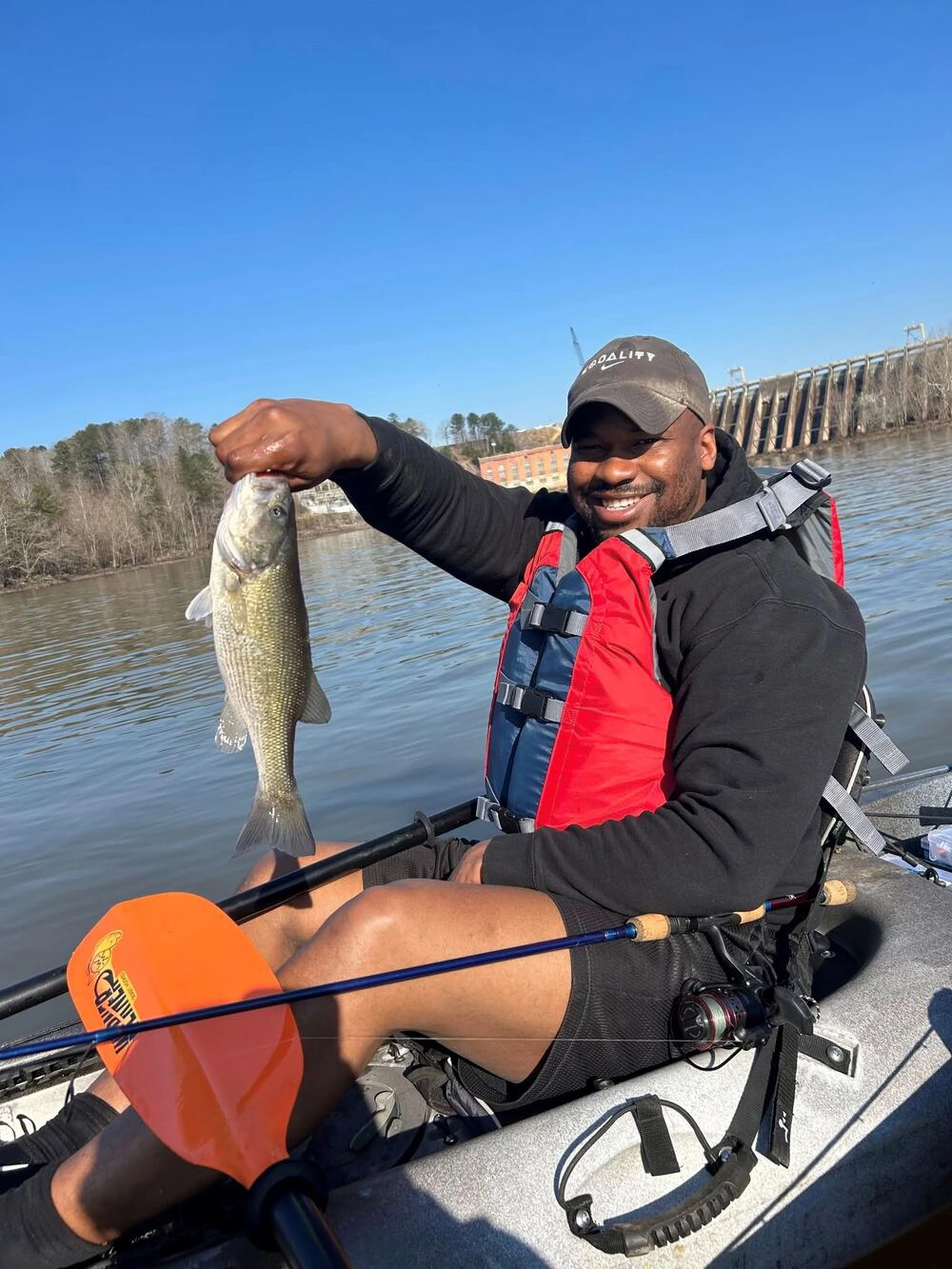
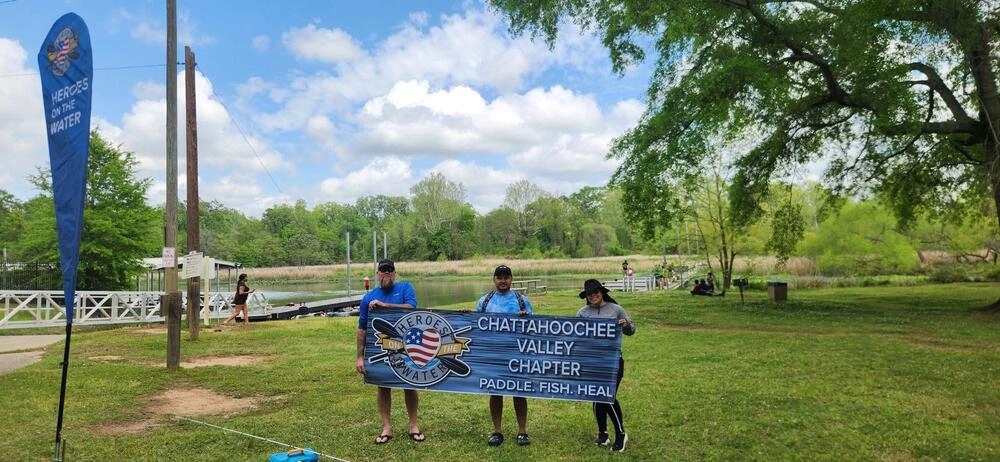
Instead, he hosts fishing trips along the Chattahoochee River as the chapter coordinator for the national nonprofit Heroes on the Water.
Since 2007, the organization has provided free, recurring kayak fishing outings that help veterans, active-duty service members, and their families decompress, rebuild social connections and practice coping skills in a calm, natural setting rather than a clinical environment.
While access to mental health care can be a challenge, the free kayaking and fishing trips have been lifting veterans' spirits in the Chattahoochee Valley River area for five years.
Many military service members don't feel comfortable asking for help with their problems, Back said.
Of the 5.8 million veterans served in fiscal year 2024, about 14 out of every 100 men (or 14%) and 24 out of every 100 women (24%) were diagnosed with post traumatic stress disorder, according to the U.S. Department of Veterans Affairs.
Back said the U.S. Department of Veterans Affairs failed military members who needed follow-up care, or that doctors prescribed medication instead of diving deeper into problems, .
"So, that's where I'm at with my issues," Back said. "Just going outside and going on either my kayak or in my boat, and it's really brought me more peace than what the therapy of doctors have given me. It's just me going out there to fish."
Credit: Contributed
It's not traditional talk therapy.
"I'm out here — me, a couple of my friends — we're out here paddling around, having a good time, cutting up, and fishing," he said.
The combat veteran, who still struggles with traumatic memories, said he feels peaceful on river days.
"I'm not, you know, a psychiatrist — I don't talk to people about anything that they don't want to talk about," Back said. "I'm just there to show them how to fish and make it as peaceful and fun as possible for them."
The community program is a low-barrier way to decompress, reconnect, and build lasting coping skills in nature.
"Listening to the peace and quiet, the water running, or the birds chirping, the leaves blowing in the trees, that type of thing," Back said. "I don't talk to you about anything; if you don't want to talk, you don't even have to talk."
The most recent data available estimate 200 veterans die by suicide every year in Georgia.
GPB's Health Reporting is supported by Georgia Health InitiativeGeorgia Health Initiative is a non-partisan, private foundation advancing innovative ideas to help improve the health of Georgians. Learn more at georgiahealthinitiative.org
This story comes to ImPACT Federal Health through a reporting partnership with GPB News, a non-profit newsroom covering the state of Georgia.